THE LIVING COMMITTEE
Sound installation
Performance art video
2026, installation.
FR / The Living Committee est une œuvre immersive associant installation sonore, vidéo et performance. Conçu comme un espace de dialogue entre humains et non-humains, le projet rassemble voix, sons environnementaux transformés, récits et recherches scientifiques. Nomade et collaboratif, il interroge l’écologie, la communication interespèces et notre place au sein du vivant à travers une expérience collective et sensorielle. Trois créations sont présentées dans cette série, Ice Cave Sing Me a Song, Spongia Vocalis et Neural Tress
ENG/ The Living Committee is an immersive work combining sound installation, video, and performance. Conceived as a space for dialogue between humans and non-humans, the project brings together voices, transformed environmental sounds, narratives, and scientific research. Nomadic and collaborative, it explores ecology, interspecies communication, and our place within the living world through a collective and sensory experience. Tree works are presneted in this series: Ice Cave Sing Me a Song , Spongia Vocalis and Neural Trees.
NEURAL TREES: NEURAL SPRUCES TALK
FRA / Bois d’épicéa et vibreurs, dimensions variables, durée : en continu.
Julie Semoroz se produit dans le monde entier avec ses compositions musicales, ses performances et ses installations sonores. L’artiste franco-suisse, qui se passionne pour l’écologie et les neurosciences, collabore étroitement avec des chercheurs, des laboratoires et des spécialistes depuis 2019. Sa démarche associant l’art et la science a été distinguée par de nombreux prix et bourses, dont plusieurs en collaboration avec le Centre interfacultaire en sciences affectives CISA.
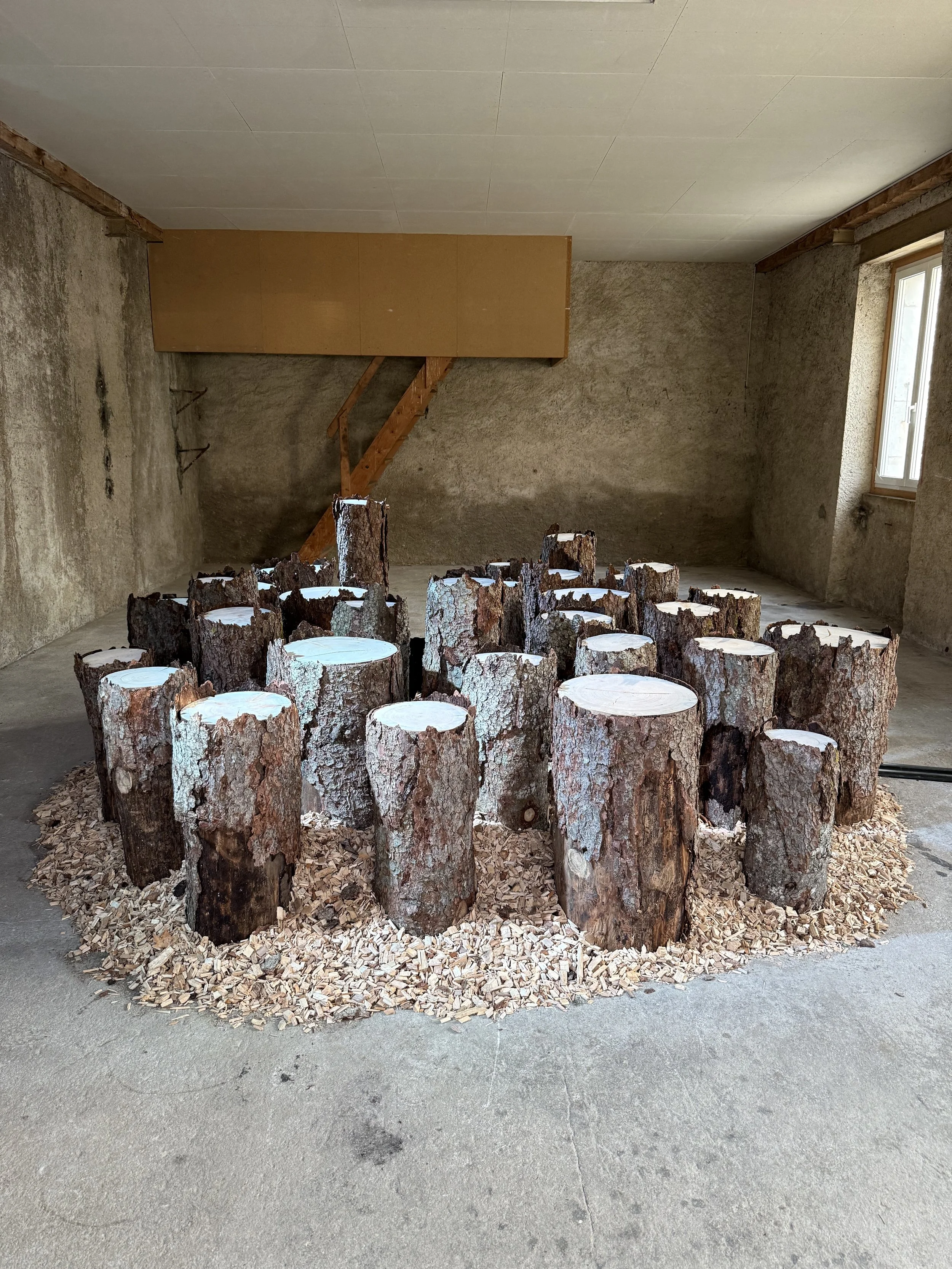
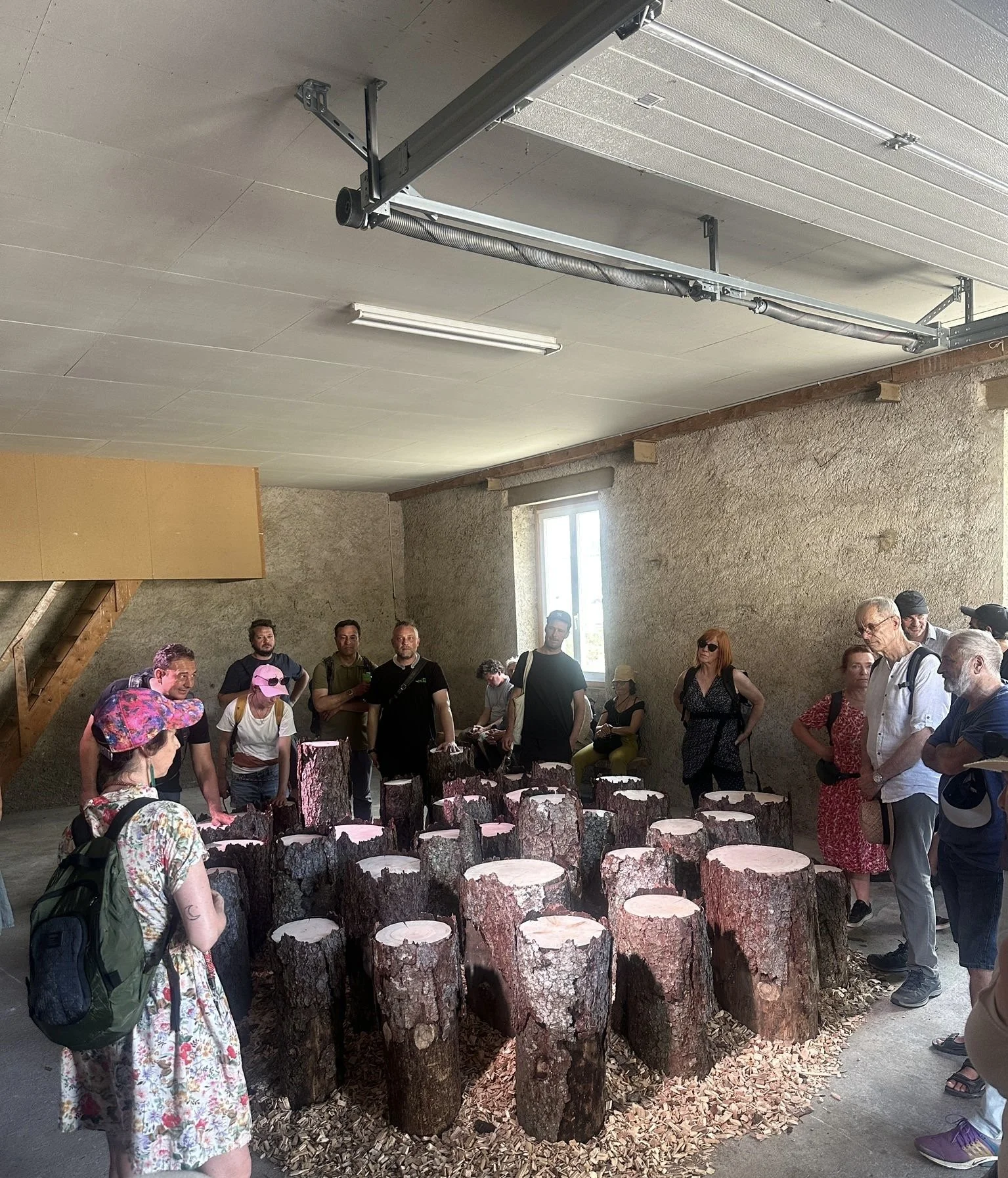
Dans l’ancien garage des pompiers à Môtiers, Julie Semoroz poursuit son exploration des matières et du corps en tant que résonateurs et transmetteurs de sons. Son installation artistique immersive fait résonner des morceaux de bois abîmé par le bostryche typographe, un insecte ravageur qui décime les forêts de la région. Équipés de vibreurs sonores, ces fragments sollicitent les sens de la vue, de l’ouïe et du toucher, et permettent au public de ressentir physiquement les pulsations et résonances du bois, comme un écho vivant de la forêt passée et présente.
Remerciements : Didier Grandjean et Centre interfacultaire en sciences affectives CISA, l’association Motonomy, Alexandre Beytrison, Pierre-Alexis Pochon, Aymeric Hoffman, Christian et Anne-Lise Mermet, toute l’équipe d’Art Môtiers.
ENG / Spruce wood and vibrators, variable dimensions, duration: continuous.
In the former fire station garage in Môtiers, Julie Semoroz continues her exploration of materials and the body as resonators and transmitters of sound. Her immersive art installation causes pieces of wood damaged by the spruce bark beetle—a pest that is decimating the region’s forests—to resonate. Equipped with sound vibrators, these fragments engage the senses of sight, hearing, and touch, allowing the audience to physically feel the wood’s pulsations and resonances, like a living echo of the forest past and present.
Acknowledgments: Didier Grandjean and the Interfaculty Center for Affective Sciences (CISA), the Motonomy association, Alexandre Beytrison, Pierre-Alexis Pochon, Aymeric Hoffman, Christian and Anne-Lise Mermet, and the entire Art Môtiers team.
NEURAL TREES: SICHUAN NEURAL TREES
2026, 33 local trees: the camphor tree, the ginkgo, the dawn redwood, tianzhu gui, and nanmu, transducers, audio equipment, custom software, local field recordings of water and insects, variable dimensions, duration 14 min.
ENG / In Chengdu, in August and September 2026, Julie Semoroz continues her exploration of materials and bodies as resonators and transmitters of sound. Her immersive art installation gives voice to five iconic tree species found in the forests surrounding the city and integral to Chengdu’s cultural heritage: the camphor tree, the ginkgo, the metasequoia, the tianzhu gui, and the nanmu. Much more than mere plants to Chengdu, these trees are the guardians of its living, cultural, and urban heritage. Their existence is directly threatened by human activity, raising major conservation challenges, as their future depends on human decisions and actions regarding climate change.
“Sichuan Neural Trees” is an associative collective of trees that expresses its existence—an organism, a forest—that speaks directly to your sense of touch and your inner emotions. Taking the form of a sound installation experienced through the body, it invites you to slow down and listen. By engaging the senses, it allows the audience to physically feel the vibrations and resonances of 33 specimens; Take the time to listen to what the Sichuan Neural Trees have to say to your body—a living echo of the forest’s voice, carrying millennia-old cultural narratives now under unprecedented pressure due to climate change, urbanization, pollution, drought, and pests, all primarily linked to human activities. Protecting the members of this living committee is a twofold responsibility: ensuring the city’s ecological resilience and preserving the living memory of its culture.
SPONGIA VOCALIS
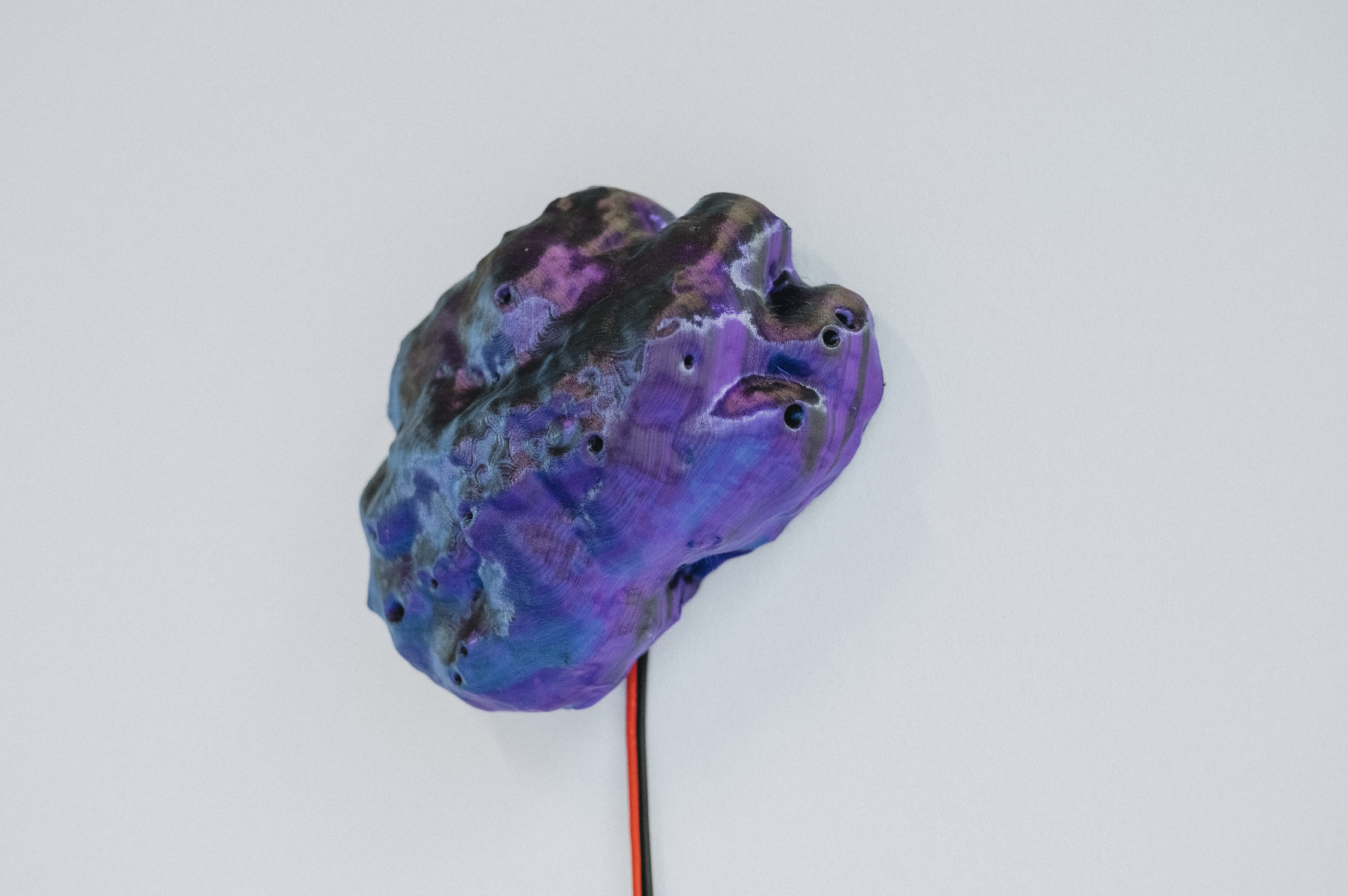
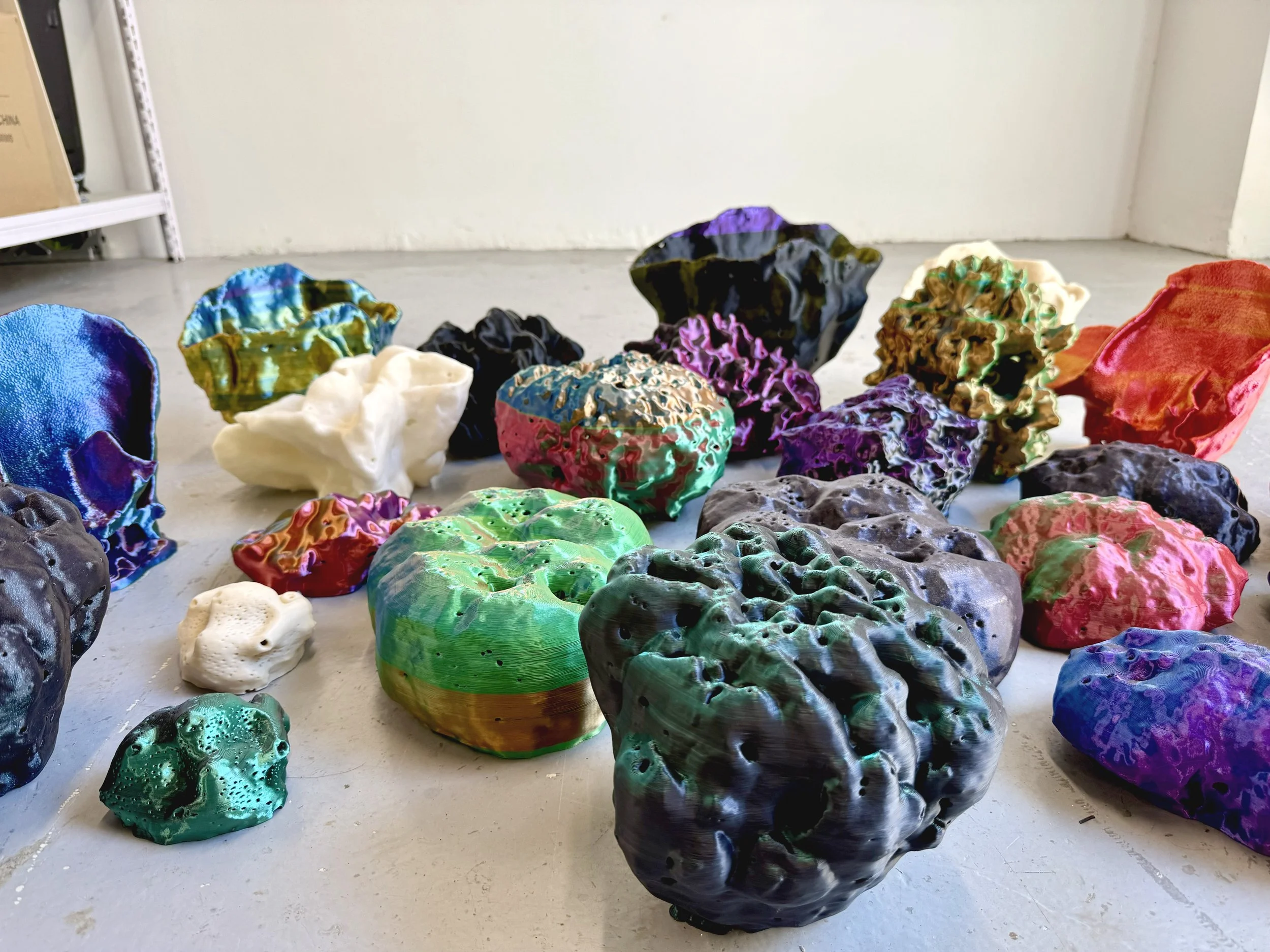
2026, installation multicanale, éponges imprimées en 3D. Composition sonore, 3D et informatique multicanale en C++. Développement technique 3D en collaboration avec Paul Jacques Yves Guilbert. Développement informatique des données scientifiques avec Vinicius Fernandes.
SL Spongia lamella — Méditerranée (sound and shape), SZ Spongia zimocca — Méditerranée orientale (sound and shape), SM Spongia molissima — Méditerranée (sound and shape), HC Hippospongia communis —Méditerranée (sound and shape), SO Spongia officinalis — (sound and shape), SLAtl Spongia lamella (Atlantique) (sound and shape), NEW Spongia maitasuna (sound only), SN Spongia nitens (sound only).
FRA / Depuis 600 millions d'années, les éponges marines ont survécu aux bouleversements de la planète développant des formes de communication silencieuses et invisibles. Spongia Vocalis est une installation sonore composée d'éponges marines imprimées en 3D, chacune diffusant une identité sonore issue de données scientifiques. Réalisée en collaboration avec l'équipe de Thierry Pérez, Directeur de Recherche au CNRS à l'Institut Méditerranéen de Biodiversité et d'Écologie marine (IMBE), Station Marine d'Endoume (Aix-Marseille Université), l'œuvre transforme les données métabolomiques en paysages sonores, donnant enfin une voix à ces espèces menacées par le changement climatique.
ENG / For 600 million years, marine sponges have survived the upheavals of our planet, developing forms of silent and invisible communication. Spongia Vocalis is a sound installation composed of 3D-printed marine sponges, each emitting a sonic identity derived from scientific data. Created in collaboration with the teamof Thierry Pérez, Research Director at the CNRS, at the Mediterranean Institute of Marine and Terrestrial Biodiversity and Ecology (IMBE), Marine Station of Endoume (Aix-Marseille University), the work transforms metabolomic data into soundscapes, finally giving a voice to these species threatened by climate change.
ICE CAVE SING ME A SONG
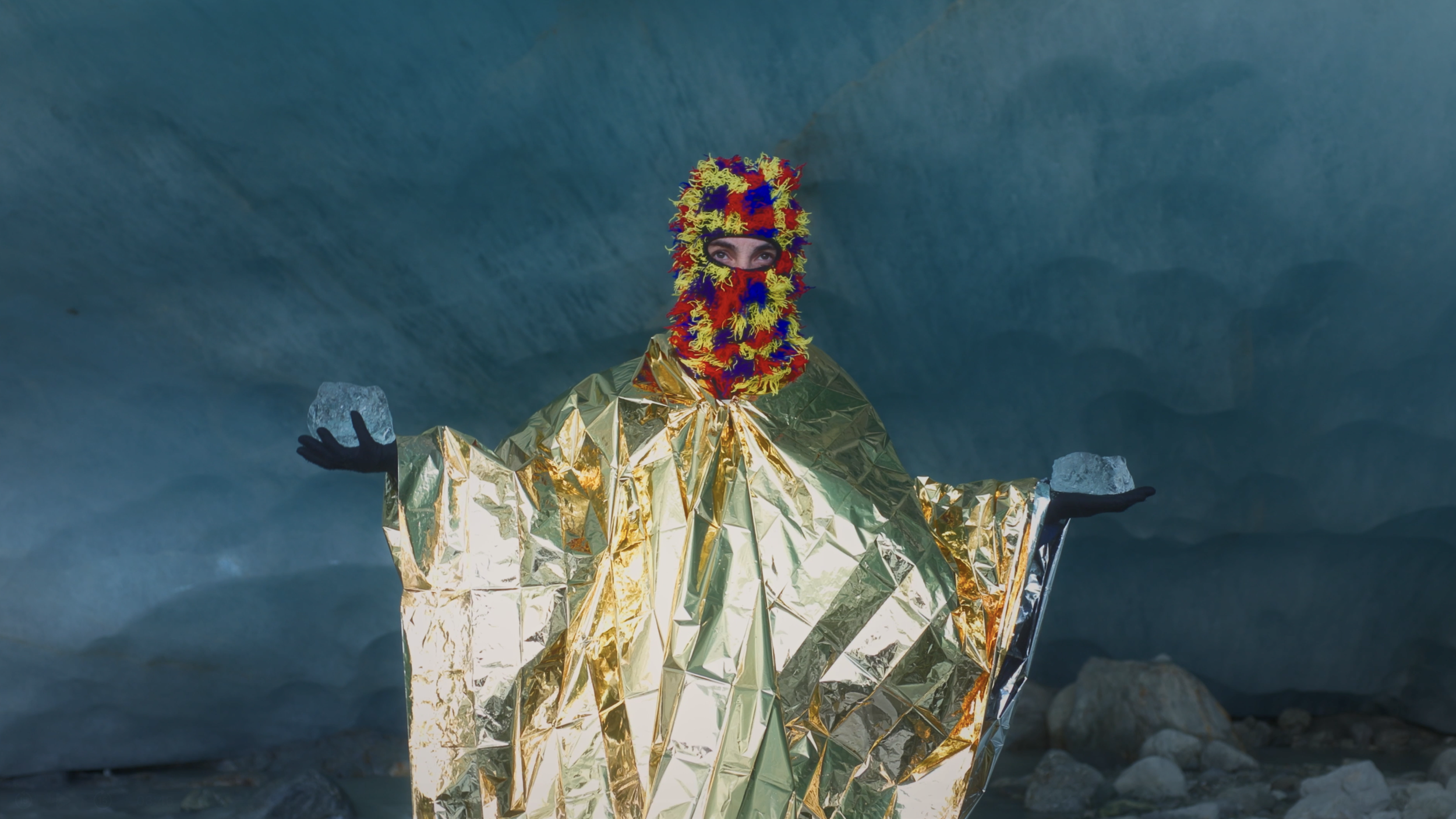
2026, diptyque vidéo, 4 min 15. Vidéo en collaboration avec Michael Cordey, assisté par Vincent Petitpierre. Images supplémentaires, Francisco Rios Anderson. Remerciements à Vanessa Dumoulin. Lieu : Tsina de Vio (VS) – Anniviers, altitude 2488,7 m, LV95 2615569, 1103056, Lat/Lon 46.080, 7.634.
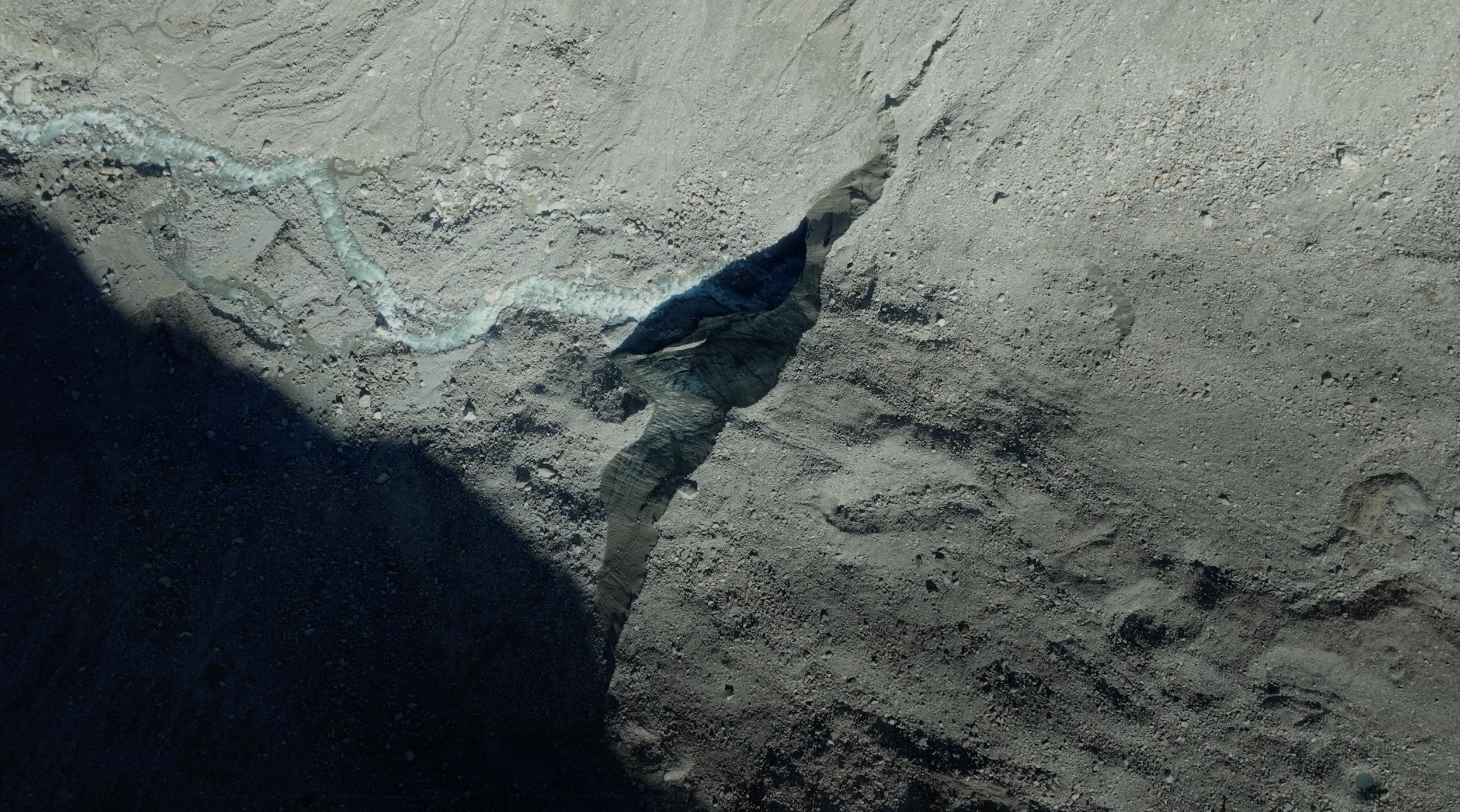
FR / Ice Cave Sing Me a Song est un diptyque vidéo inspiré d’une rencontre sensible avec une grotte de glace en disparition. À travers une narration poétique et sonore, l’œuvre imagine la voix de la grotte de glace confrontée à sa propre disparition sous l’effet du réchauffement climatique. Entre fragilité, mémoire et transformation, elle évoque les résonances entre les corps humains et les mondes naturels.
ENG / Ice Cave Sing Me a Song is a video diptych inspired by a sensitive encounter with a disappearing ice cave. Through a poetic and sonic narrative, the work imagines the voice of the ice cave facing its own disappearance as a result of climate change. Between fragility, memory, and transformation, it evokes the resonances between human bodies and the natural worlds.
Julie Semoroz, La Promenade
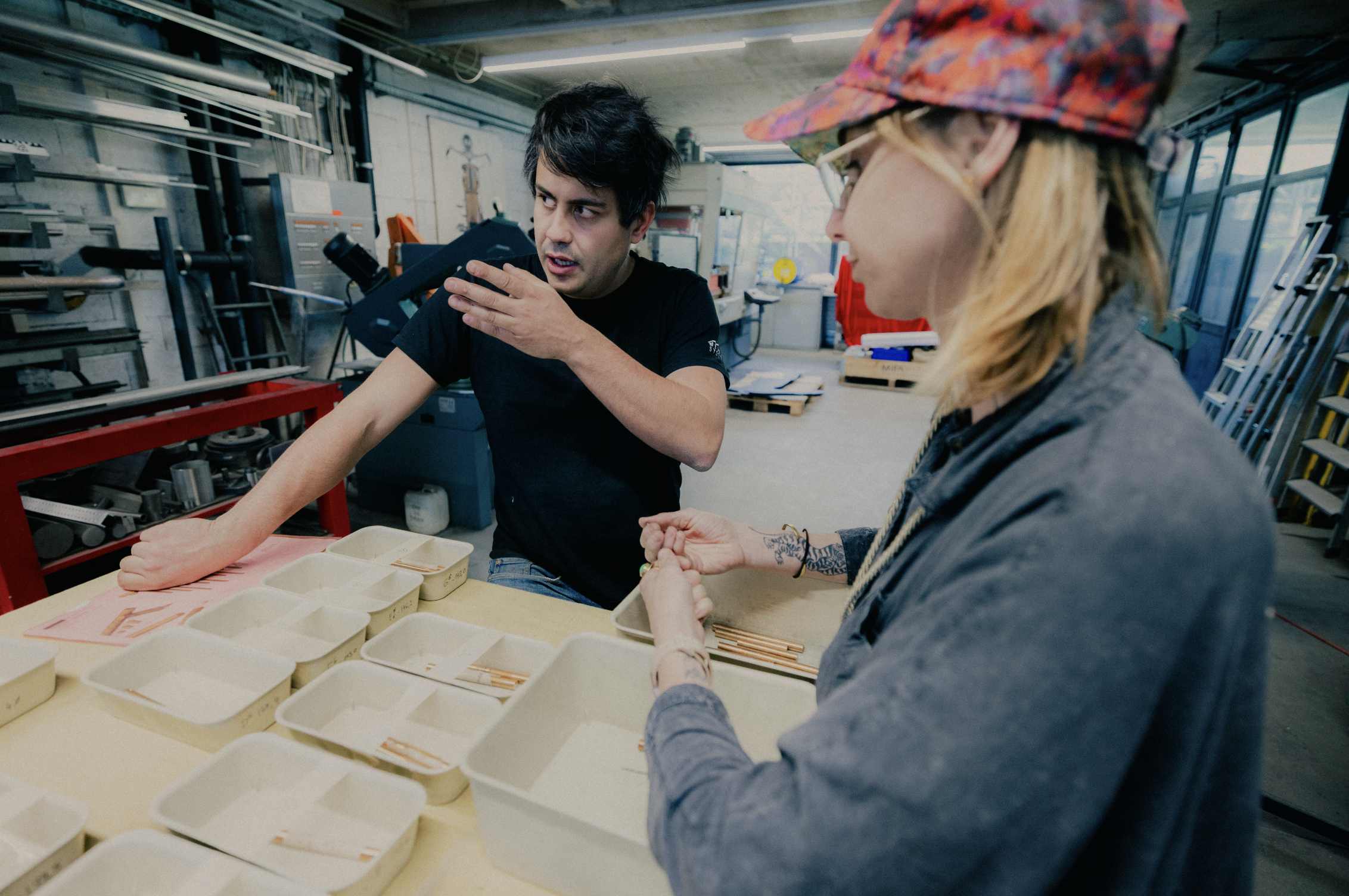
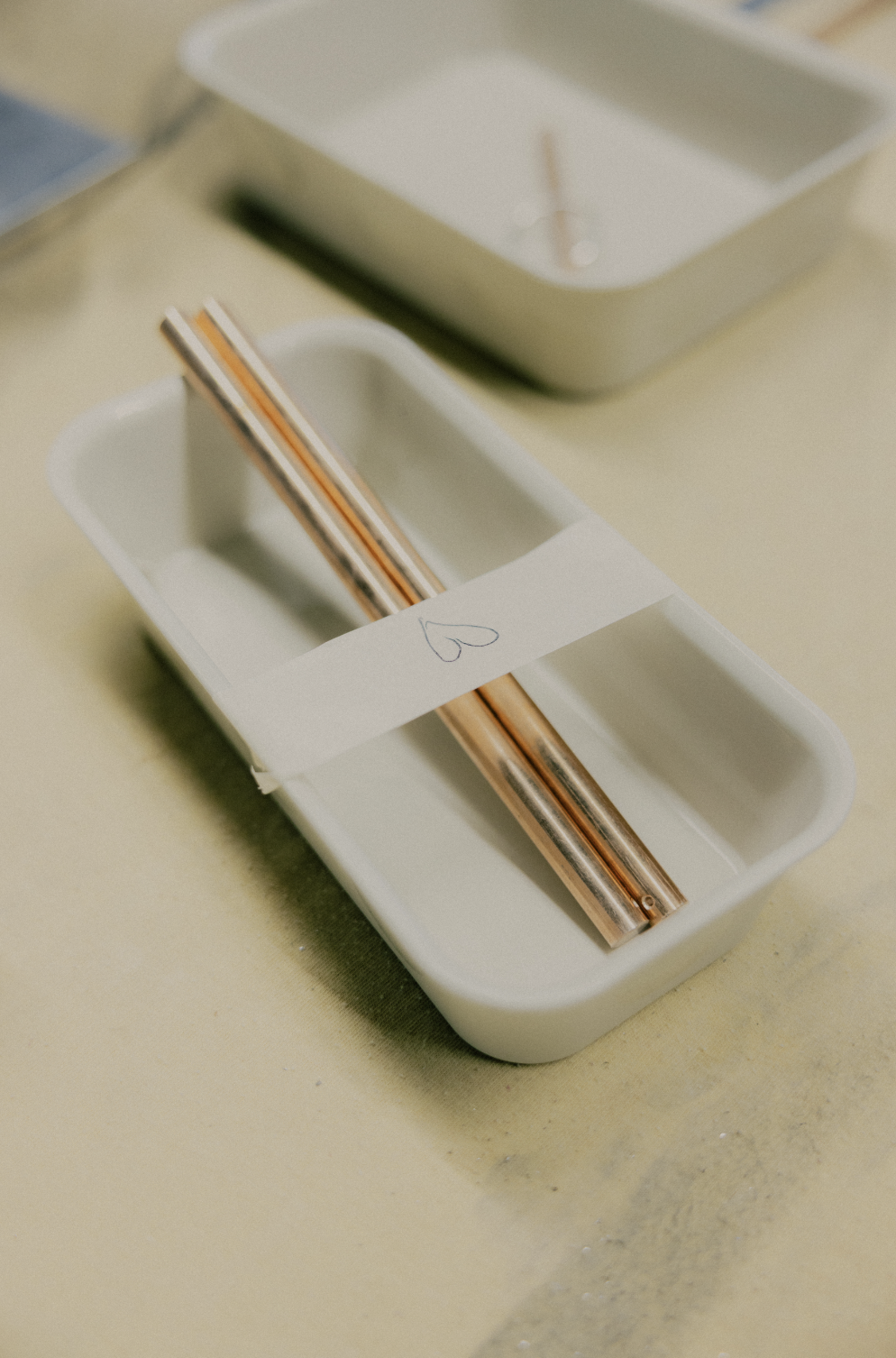
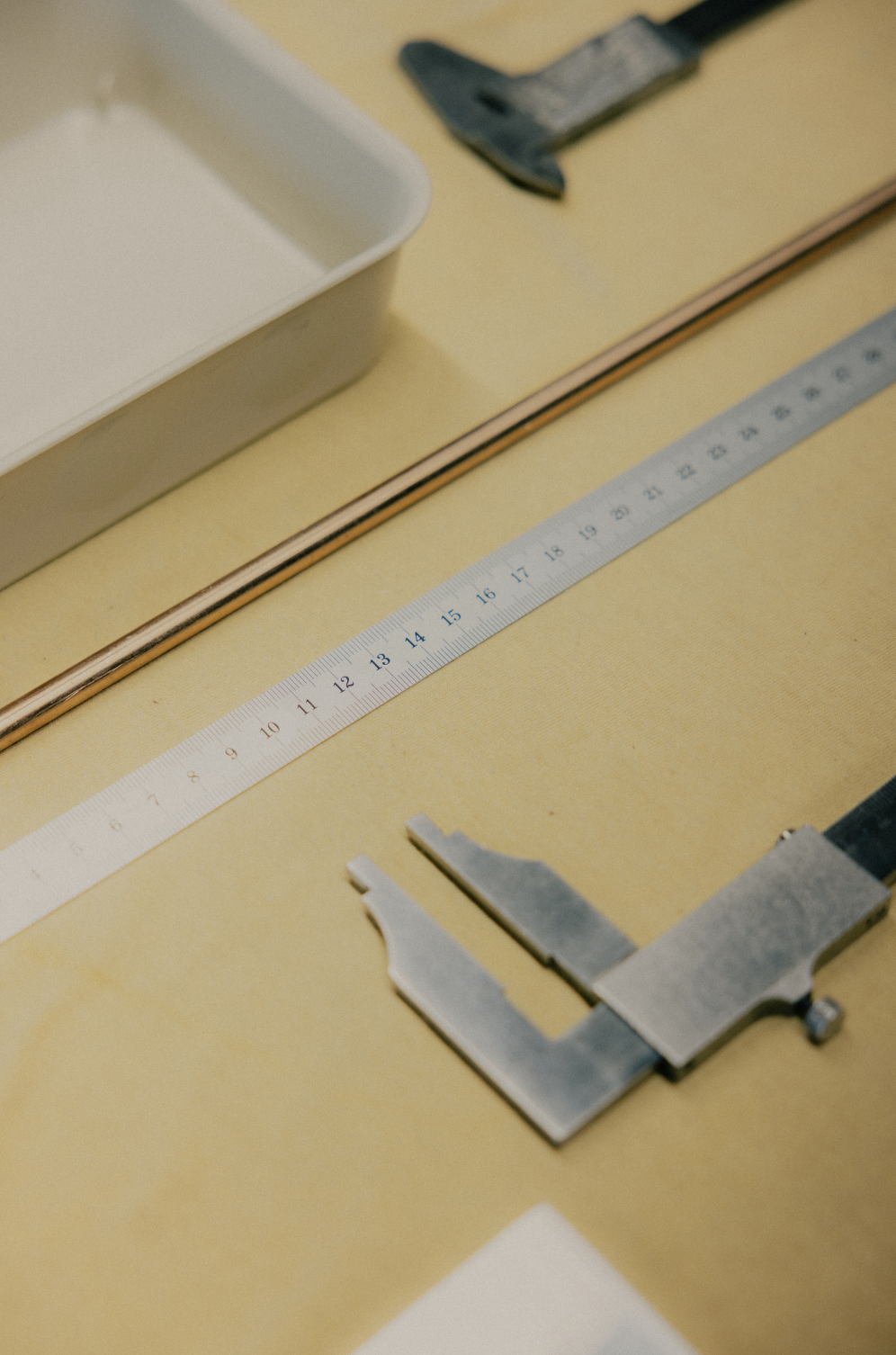
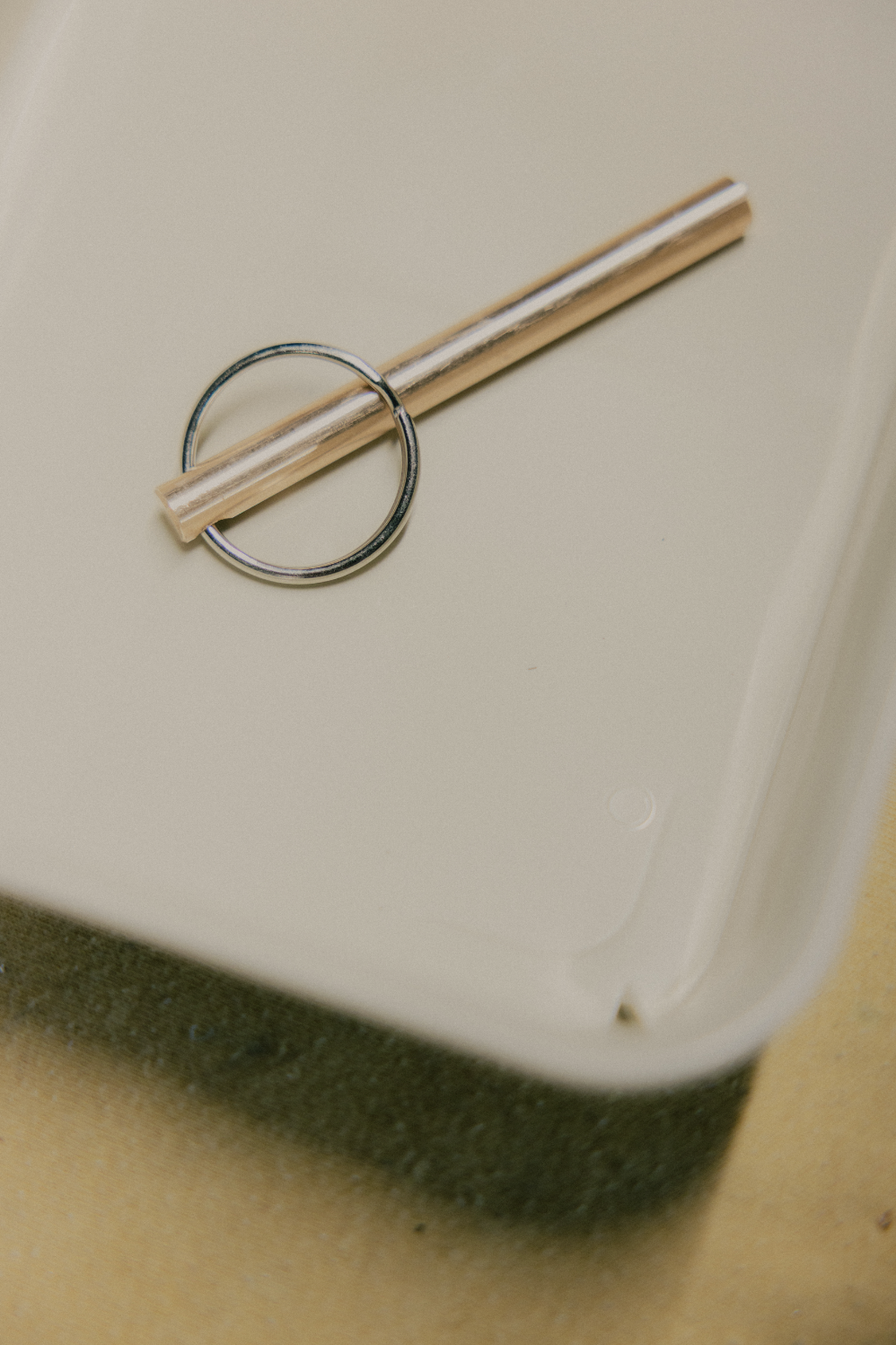
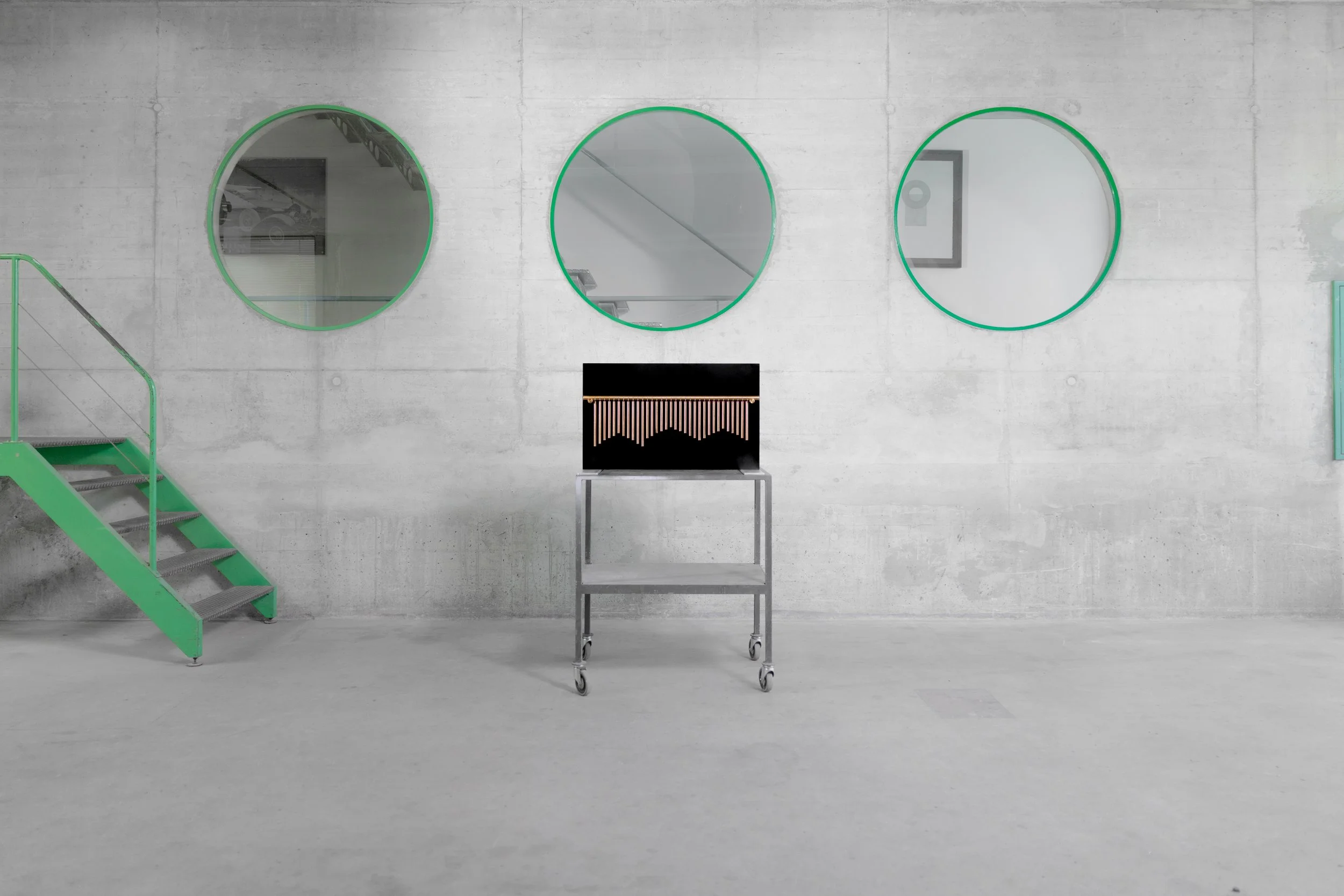
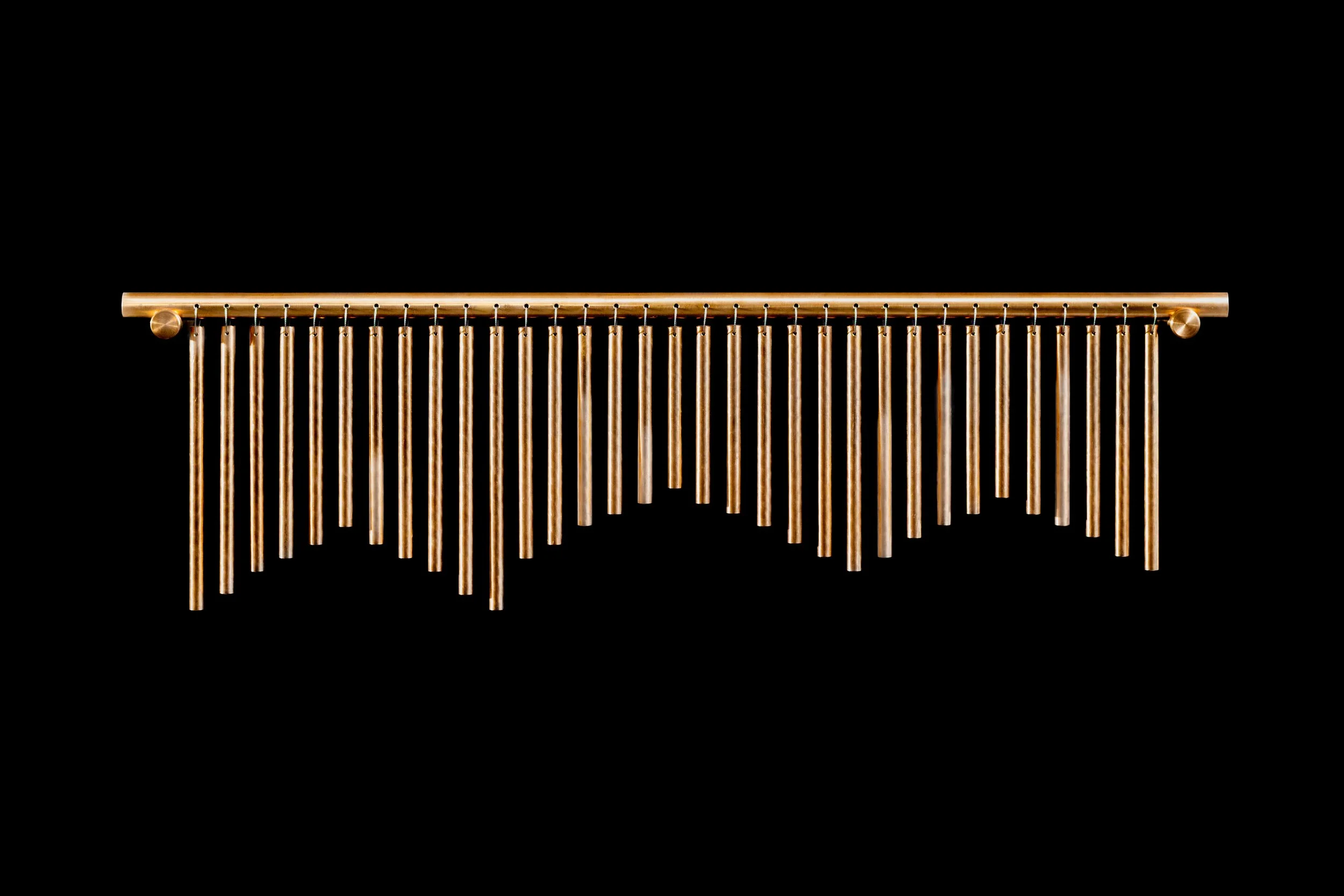
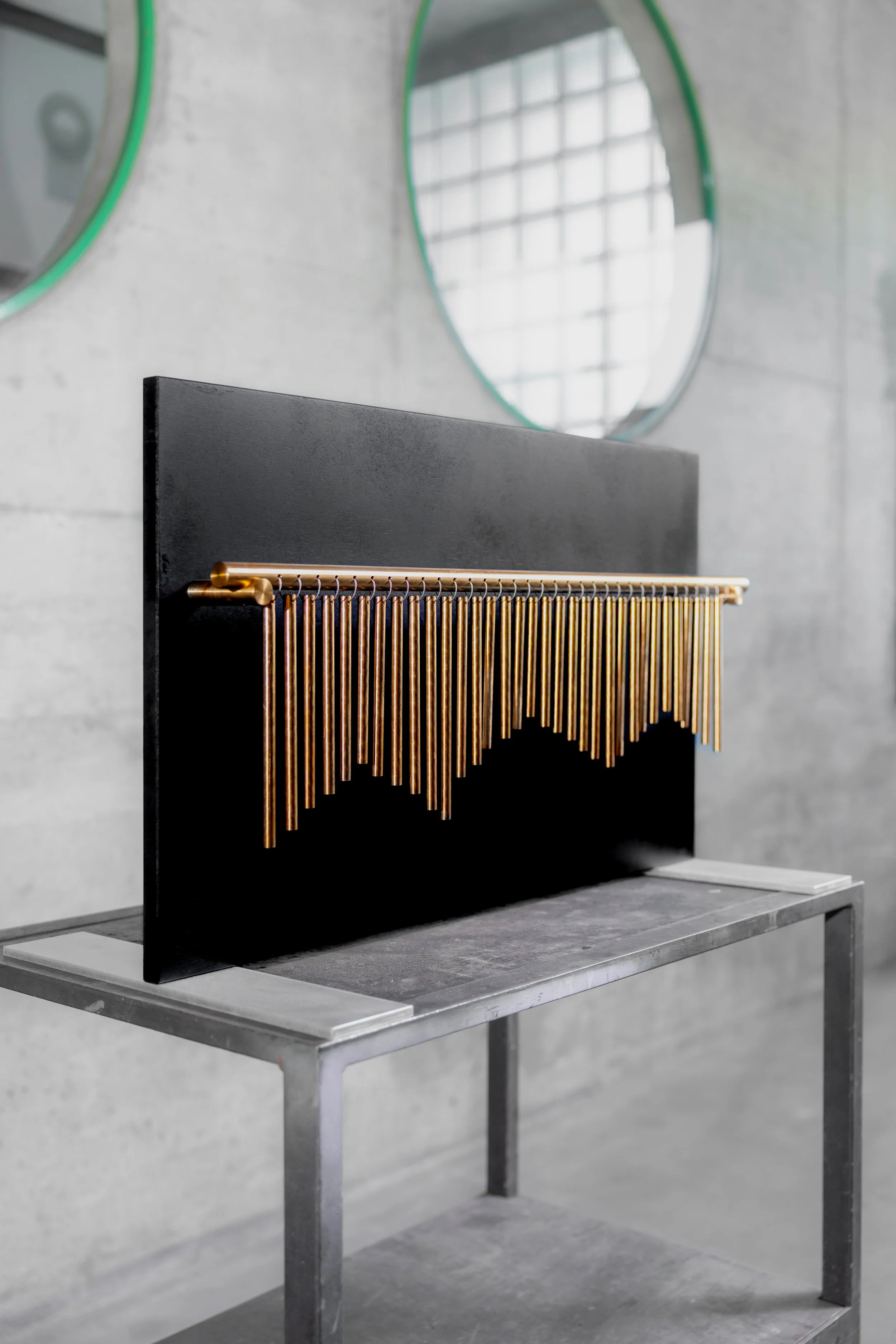
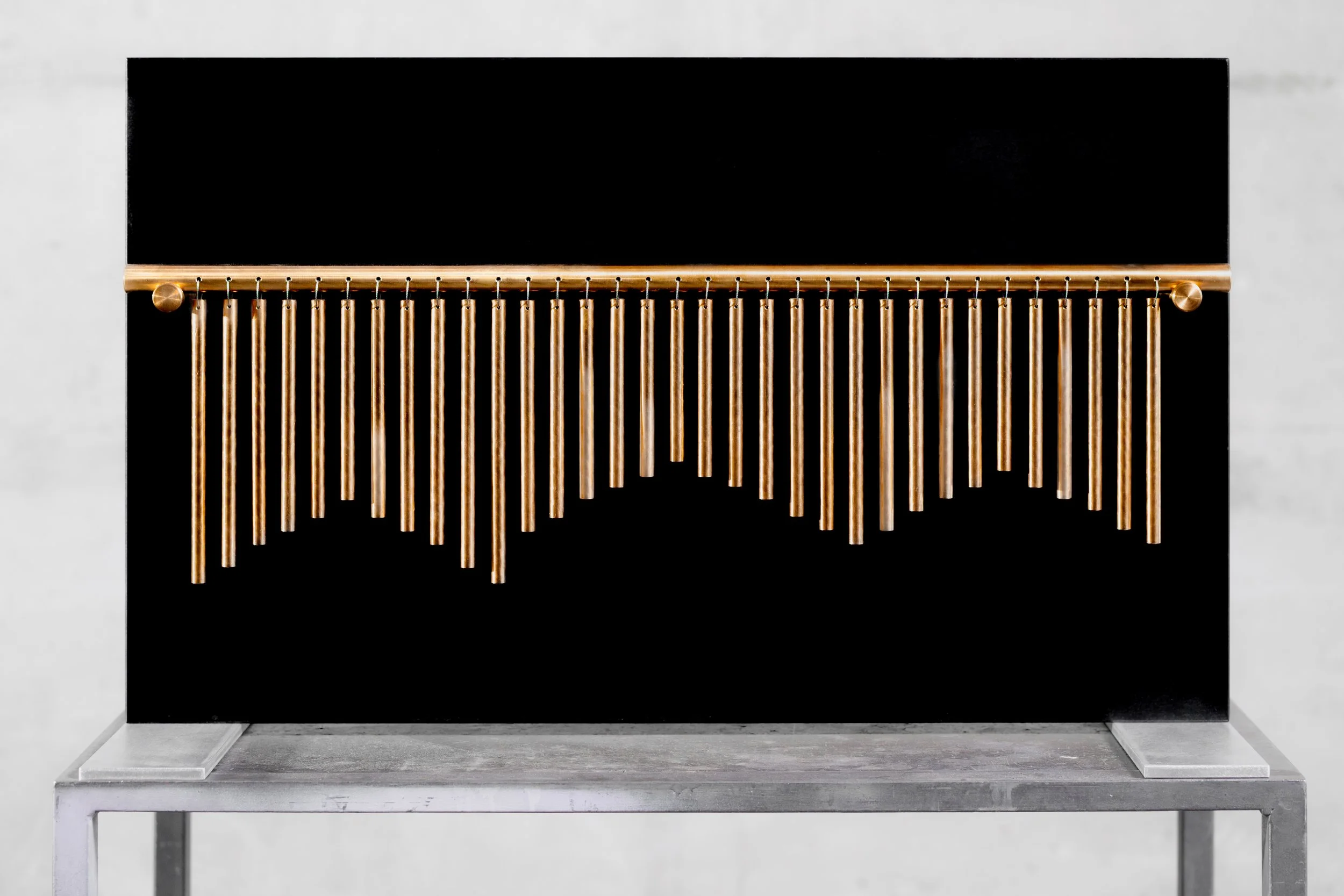
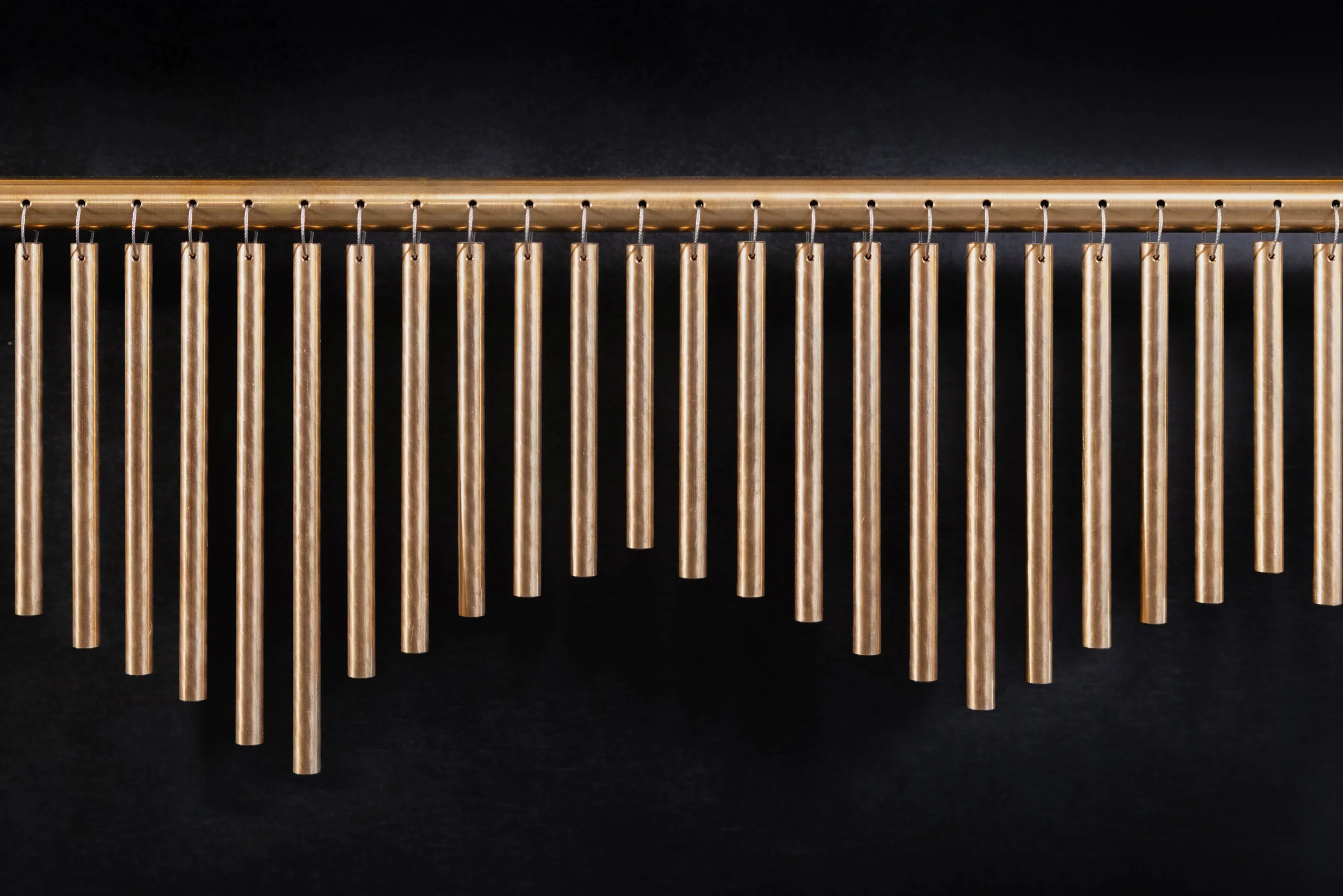
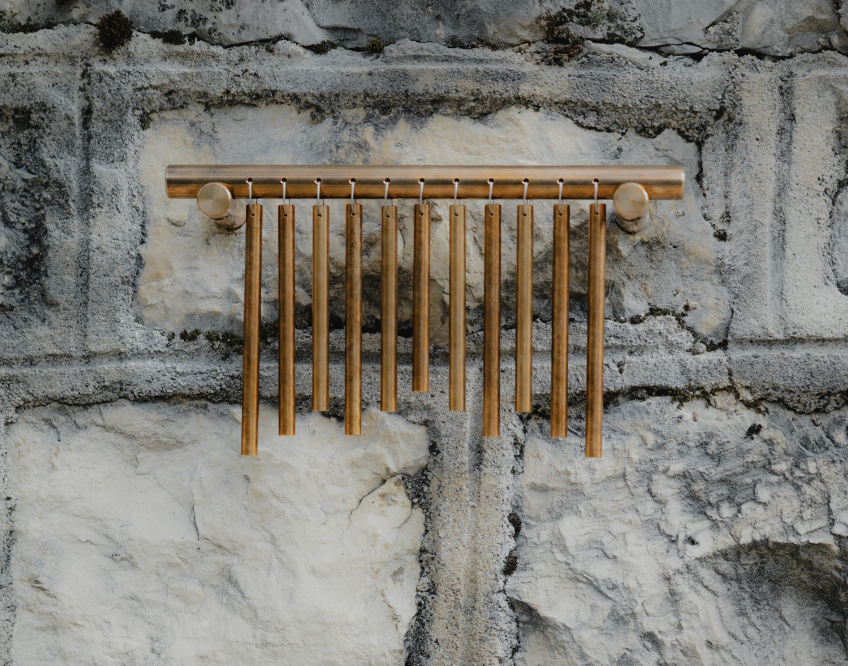
Sur cette promenade paisible longeant l’école du Centre-ville de Nyon, les graviers craquent sous les semelles des passantes et des passants. Parfois, l’oreille est surprise par la cloche du temple à proximité, or désormais elle le sera aussi par le tintement aléatoire de carillons pour peu qu’une main active l’installation de Julie Semoroz. De la même manière qu’on caresserait des épis de blé bordant une route pour rythmer la marche, accompagner le souffle ou ressentir leur texture, il est offert de jouer avec plusieurs grappes de métal qui se donnent au public comme autant d’instruments en libre accès. Étirés sur plusieurs mètres à l’horizontal, des dizaines de tiges de bronze chatoyant ont pris leur quartier en différentes hauteurs, promettant à tous les âges de pouvoir les actionner, faisant pétiller un mur qui jusque-là passait inaperçu.
Le dispositif en lui-même joue avec des pleins et des vides, les carillons ordonnés constituant des ensembles espacés les uns des autres. Entre eux, visuellement, agissent des silences comme dans une partition de musique. En décidant de ne pas remplir les intervalles, Julie Semoroz maintient vivant le souffle, nourrit le mystère, rend vibrante la vision et nécessaire le vide. Les notions d’émergence et de résurgence se conjuguent avec le jeu de la manipulation, l’éclat sonore qui peut en ressortir, réveillant en chacun de nous notre part enfantine. « La vérité ne peut pas se transmettre par la parole, la vérité existe dans le vide entre les paroles, entre les lignes », explique le professeur japonais Hidéo Kamata. Une référence qui permet de rappeler que la composition musicale de La Promenade repose sur trois gammes japonaises de cinq notes chacune, ordonnées tête bêche aux deux extrémités, à expérimenter sans fin, ponctuellement ou en continu.
Connue à l’international pour ses performances musicales faites d’effets de répétition et d’épuisement de la matière sonore, travaillant souvent avec l’improvisation, Julie Semoroz, enfant de la région, fait pour la première fois de son art enjoué une expérience durablement installée dans un espace généreusement partagé avec le public. Pièce interactive et enchanteresse, invitant à « savoir laisser » ou à « laisser faire », elle pousse sans aucun doute tous les petits Nyonnais à détourner désormais leurs parents de leur chemin pour faire résonner cette mélodie imaginée spécifiquement pour ce lieu. « Notre destin est de nous promener », rappelait Robert Walser, qui écrivait comme on se promène. Sans autre prétention que de nourrir un moment de flânerie, ou peut-être de donner un but à une balade, cette pièce si bien intégrée au tissu urbain semble avoir toujours existé ici. Et si vous en doutez encore, écoutez avant d’y parvenir car vous l’entendrez avant même de l’avoir vue. En effet, le réflexe est déjà adopté à Nyon d’activer la musique, peut-être comme avec les carillons à vent nippons, pour transmettre une énergie positive et faire fuir les mauvaises ondes. Art, histoire, architecture et musique sont exceptionnellement réunis dans cette œuvre de cuivre et d’étain au profit d’une vision synesthésique si chère à la culture japonaise.
Karine Tissot
Julie Semoroz, La Promenade
Along this peaceful walkway bordering the Centre-Ville school in Nyon, the gravel crunches beneath the shoes of those passing by. At times, the ear is caught by the bell of the nearby temple, and now the ear will also be surprised by the chiming of bells whenever a hand activates Julie Semoroz’s installation. Just as one might brush their hand across wheat stalks lining a rural path to give rhythm to their steps, accompany their breath, or feel their texture, visitors are invited to play with several clusters of metal offered to the public like freely accessible instruments. Stretching horizontally over several metres, dozens of shimmering bronze rods have taken their place at varying heights, promising people of all ages the pleasure of setting them in motion, enlivening a wall that until now had gone unnoticed.
The installation itself plays with fullness and emptiness, with the ordered chimes forming distinct groups spaced apart from one another. Between them, visually, silences operate like those in a musical score. By choosing not to fill these intervals, Julie Semoroz keeps the breath alive, sustains mystery, makes the vision vibrant, and preserves the necessity of emptiness. Ideas of emergence and resurgence intertwine with the playful act of touching the piece, the sonic sparkle that may arise from it awakening the childlike part within each of us. “Truth cannot be transmitted through words; truth exists in the emptiness between words, between the lines,” explains Japanese professor Hidéo Kamata. A reference that reminds us that the musical composition of La Promenade is based on three Japanese pentatonic scales, arranged head-to-tail at each end, to be endlessly explored, occasionally or continuously.
Internationally known for her musical performances built on repetition and the exhaustion of sonic material, often working with improvisation, Julie Semoroz — a child of the region — brings, for the first time, her playful art into a lasting installation generously shared with the public. An interactive and enchanting piece, inviting one to “know how to let go” or to “let things happen,” it will undoubtedly encourage children of Nyon to pull their parents off their usual route to make this melody — imagined specifically for this place — resonate.
“Our destiny is to wander,” recalled Robert Walser, who wrote the way one strolls. With no other ambition than to nourish a moment of wandering, or perhaps to give purpose to a walk, this piece, so well integrated into the urban environment, seems to have always been here. And if you still have doubts, listen before you get there, because you will hear it before you even see it. Indeed, it has become second nature in Nyon to turn on the music, perhaps as with Japanese wind chimes, to transmit positive energy and ward off bad vibes. Art, history, architecture and music come together in an exceptional way in this work of copper and tin, creating a synaesthetic vision that is so dear to Japanese culture.
Karine Tissot
Kunst am Bau – commissioned by the City of Nyon
École du Centre-Ville, Nyon - Promenade du Jura - Balade Sud
Conception: Julie Semoroz
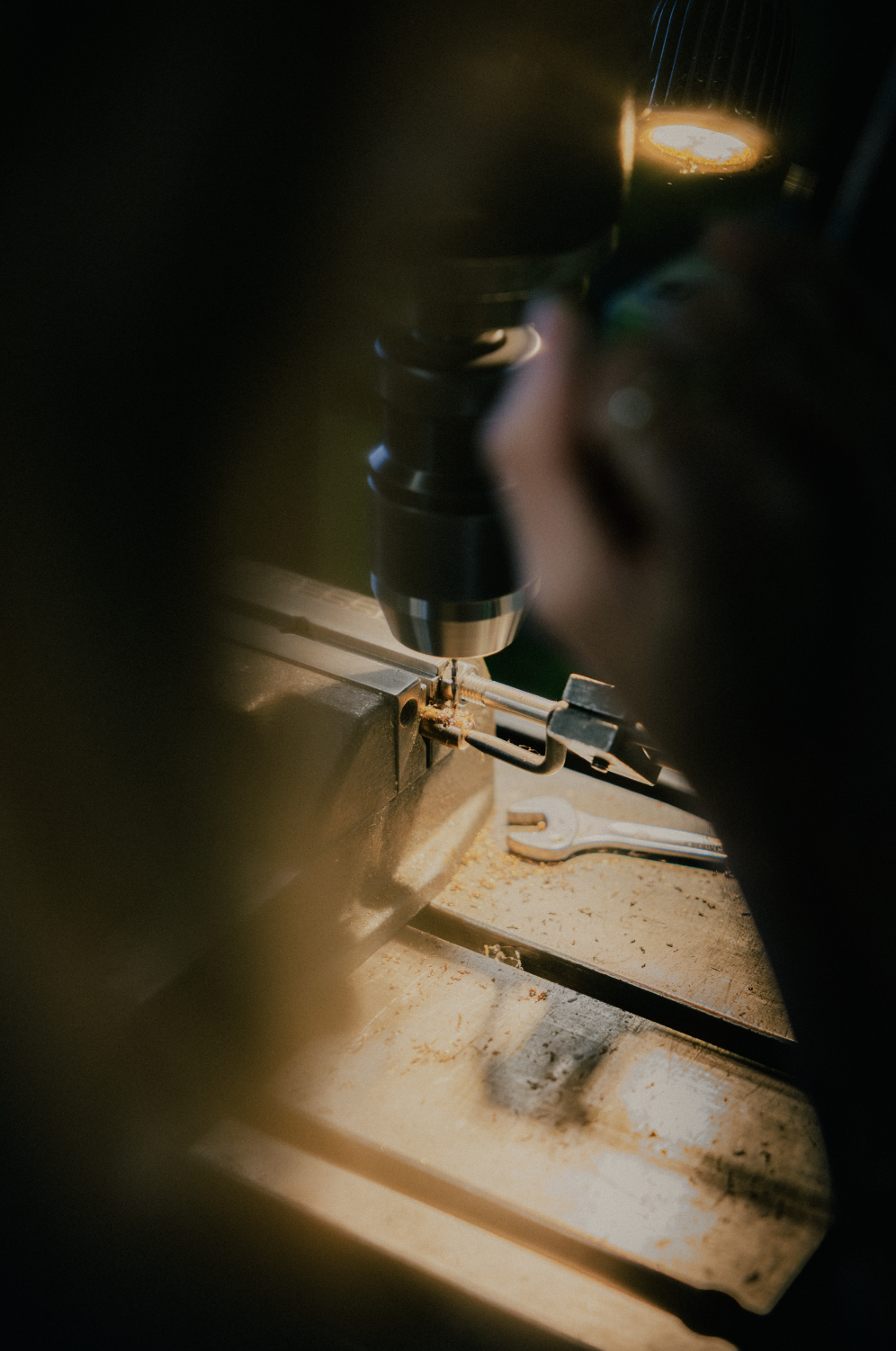
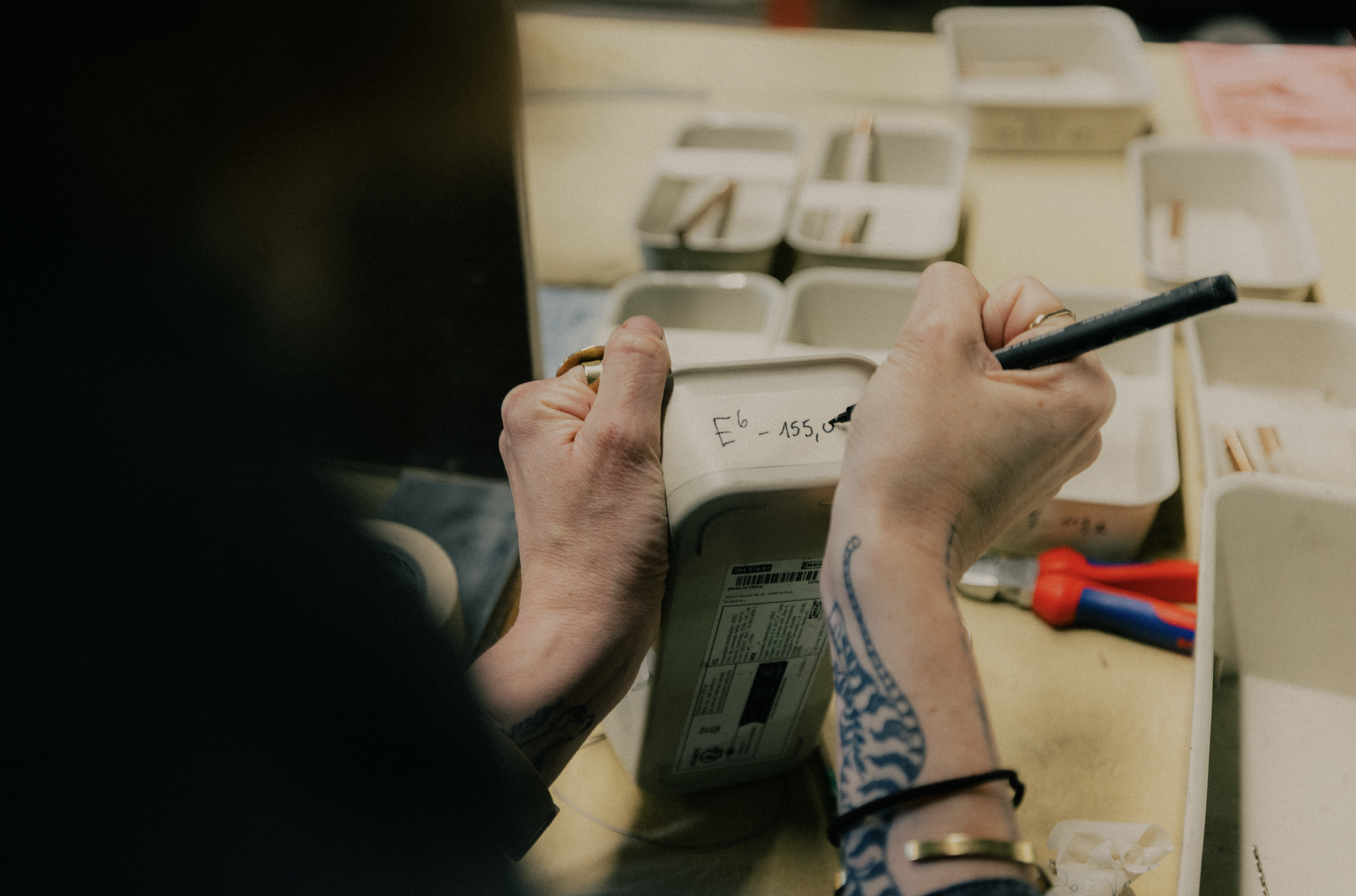
Technical production: Metal System and Julie Semoroz
Photos and videos: Michael Cordey
Production: Association Motonomy
Public performance October 2025: Julian Sartorius
Administration: Nathalie Wenger
Thanks to: Sandrine Pelletier, Isaline Vuille, Carl June, Stéphane Fahrion and the jury of the selection
La Promenade